Practically speaking, The Torah is the "Instruction", "Teaching", "Guidance" or "Law" of God,
when we say "The Torah" we are most often referring to the first 5 books of the Bible:
"Genesis" (Bereshit) ( meaning "In the beginning")
"Exodus- (Shemot) (Literally "Names")
"Leviticus" (Vayikra) ("And he called")
"Numbers" (Bamidbar) ("In the desert")
and "Deuteronomy" (Devarim) (Meaning "Things")
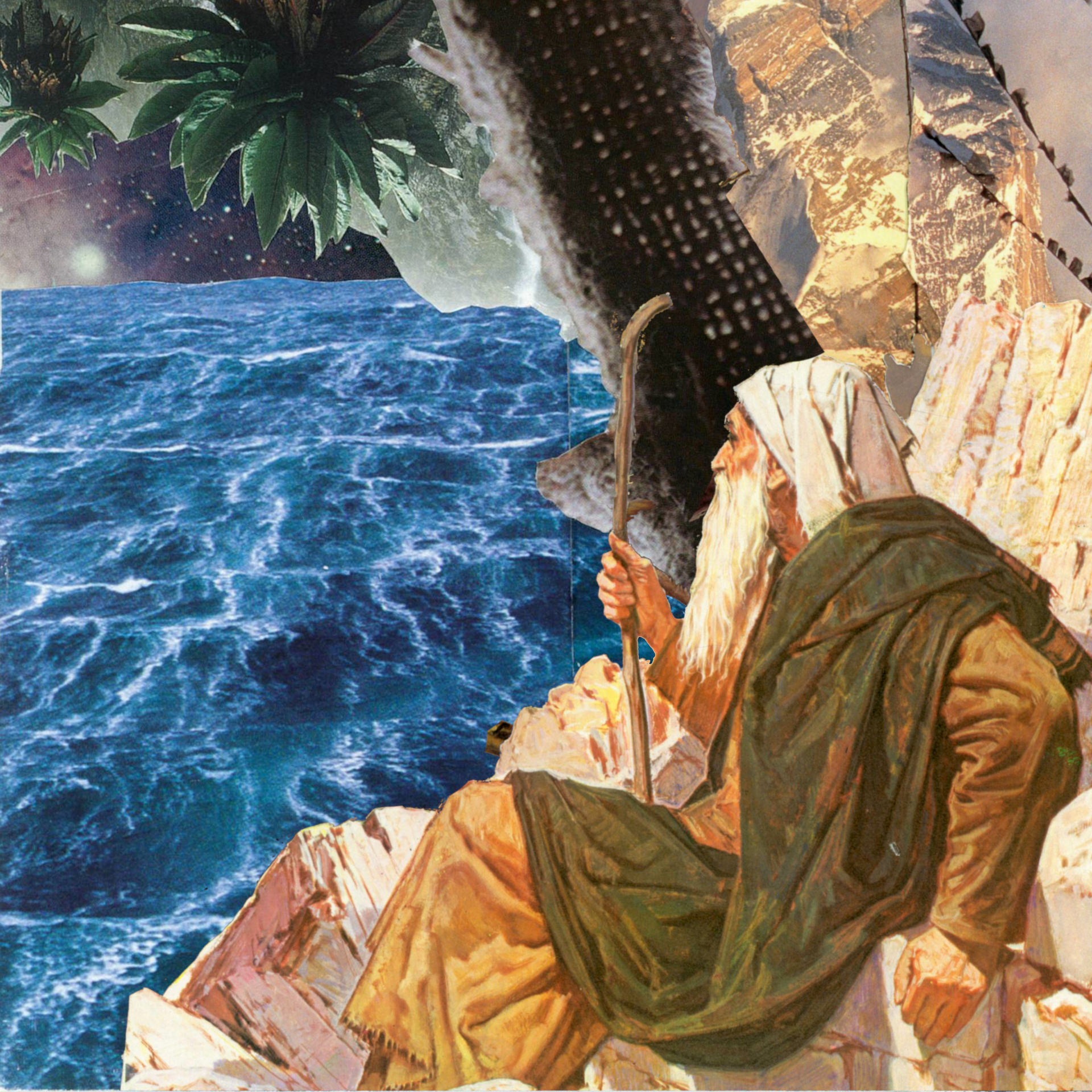
It is generally accepted that God spoke The Torah to Moses, and he then scribed it:
The Torah contains approximately 613 commandments, and instructs on things like dietary law, appropriate sexual relations, priestly requirements, agricultural and societal rules, and the observance of certain festivals.
of the Approximately *613* commandments, only 369 are able to be kept today, and they don't all apply to everyone;
some are for women, some are for men, some are for priests, and some only apply in Israel.
It would seem that "The Torah" was prescribed for the Jews, and that "Gentiles" (Non jews) are not required to keep it;
They are welcome to; and perhaps even encouraged, but it is not a requirement for the love of God, or for salvation;
Christ says in Matthew 5 :
"Do not think that I have come to abolish the Law or the Prophets; I have not come to abolish them but to fulfill them";
Fulfill, here, being the Greek "Plerosai": meaning,"To pack","To fill", to "Make full", to "crown", or to "Complete" (Perhaps even saying "To bring out the true essence of")
Christ then goes on to say that "until heaven and earth pass away, not an iota, not a dot, will pass from the Law until all is accomplished. Therefore whoever relaxes one of the least of these commandments and teaches others to do the same will be called least in the kingdom of heaven, but whoever does them and teaches them will be called great in the kingdom of heaven." (Matthew 5: 18-19 ESV)
He also states that "unless your righteousness exceeds that of the scribes and Pharisees, you will never enter the kingdom of heaven."
Declaring that one's righteousness is more important, than simply "Keeping all of the law".
Torah observance is not a salvation issue, but is rather something we can pursue to help us be Holy, and deepen our walk with God.
It's very hard to "Keep the Torah" fully, in our modern day (unless one lives in Israel),
But one can make an effort to do so, by :
Observing the sabbath,
Adhering to Kosher Dietary laws
Living within the laws on sexuality and "Marital relations"
and observing the sabbaths and festivals when they come.
The best thing to do, is to read The Torah, The next best thing is to skim the commandments ( https://www.jewfaq.org/613_commandments )(Do note that this links to an external site, and we do not necessarily agree with all the views expressed on it.)
It must also be noted, that the most important thing in Torah is:
A. to know that "God is one",
B. To love the lord your god with your "heart mind and soul",
and C. To love your neighbour as your self
"There is no commandment greater than these" (Mark 22:37-40)
It must ALSO, Also be noted, That Yeshua Hamaschiach (Jesus Christ) has Commanded us to "Love each other", as he has loved us. This seems to be the crowning note of The Torah from a Judeo-Christian Perspective
Just because it's "The Law", doesn't mean that there isn't room for Love, Mercy and Grace;
Christ exemplified mercy in his teachings, and way of life, and went so far as to highlight, that even the high priests of the day "The Scribes and Pharisees" were technically keeping all of the law, but that they were neglecting the greater parts, such as "Justice, mercy and faithfulness". (Matthew 12:23-24)
There were also many instances where Christ demonstrated his mercy, and these can be read about in the stories of:
The woman at the well,
and The woman caught in Adultery;
rather than enacting harsh punishment, He gave grace, showed mercy, and reproved;
An example of his spirit.
Don't think it's an all or nothing thing either, we can do what we can do, and most importantly, love our God, and love each other.